







Search Results for: Latte Art Patterns
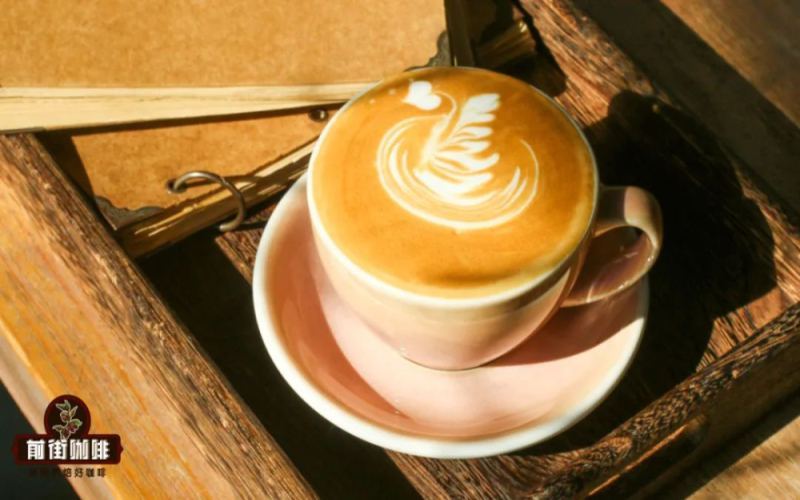
What Are the Different Types of Latte Art? An Analysis from Traditional Patterns to Etching Needles and 3D Latte Art Techniques
Latte art has long ceased to be as simple as heart-shaped patterns. Since David Hume accidentally created a heart on the surface of a milk coffee in the 1980s, latte art techniques have continuously evolved, and today have developed into multiple types such as traditional latte art, coffee etching, and 3D latte art. Traditional latte art uses a milk pitcher as its main tool, and can be further divided into basic patterns and advanced combined patterns; coffee etching relies on etching needles recognized by international competitions to draw finer or bolder lines; 3D latte art is more figuratively a kind of "sculpting" technique, requiring the stacking of thick milk foam and the use of spoons and etching needles for shaping, and also uses chocolate sauce, caramel sauce, and the like for outlining. This article, brought to you by Front Street Coffee, helps you understand the features and key production points of these latte art types. [more…]
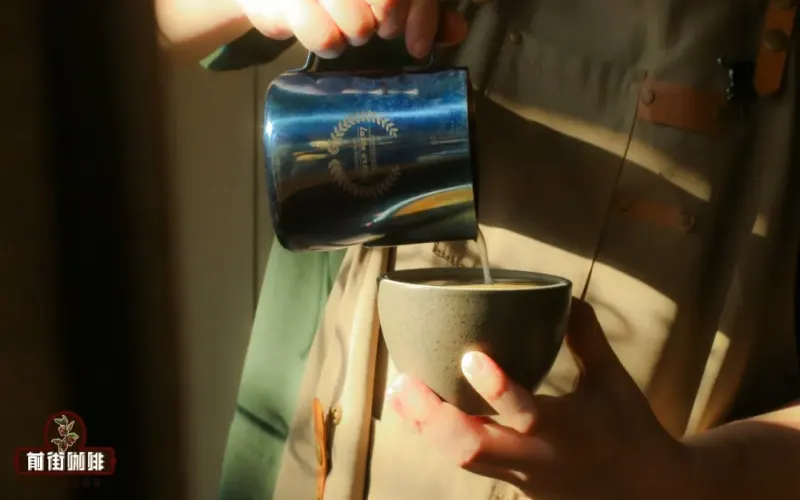
Analysis of the Core Elements of Latte Art: The Mechanism of Pouring Distance and Flow Rate, and Practical Techniques for Heart, Rosetta, and Tulip Patterns
Many coffee enthusiasts, when first learning latte art, assume that simply watching the motions will allow them to easily replicate patterns—Front Street Coffee once thought the same way. Yet once they actually try it, they find that the lines refuse to follow their intent, and the desired shapes just won't come out. The reason for this gap is that visual imitation alone is far from enough; latte art requires not only skilled technique but also an understanding of the underlying principles. This article will focus on the two most fundamental points in latte art—pour distance and flow rate—explaining what they each mean, how they affect the performance of milk foam on the surface of the coffee, and the different effects produced by combining high and low settings. Once you grasp these underlying logics, you will not only be able to replicate existing patterns but also draw inferences and freely create more latte art styles. [more…]
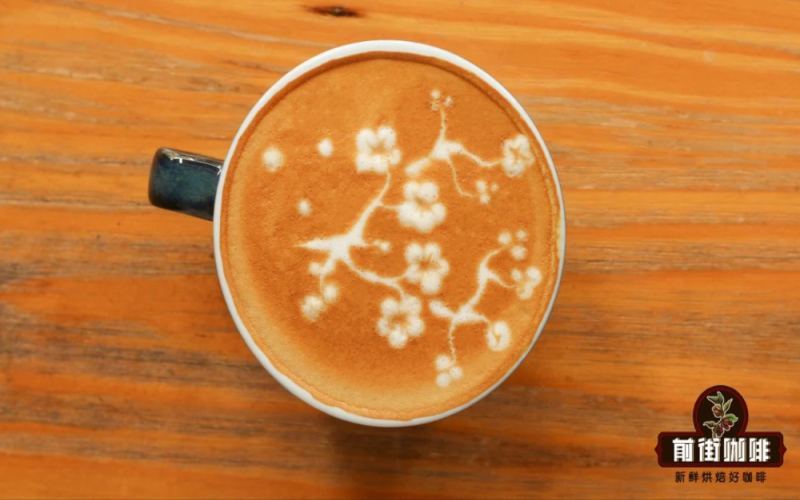
Latte Art Guide: From Pouring Point and Swirling Control to Step-by-Step Tutorials for Tulip and Leaf Patterns
Latte art encompasses three categories: free pouring, etching, and printing. Of these, free pouring and etching are together known as milk latte art—free pouring creates the pattern directly through wrist control while pouring hot milk, whereas etching uses chocolate sauce and tools such as toothpicks and bar spoons to refine the details. Free pouring is the foundation, and etching is the辅助 (auxiliary); the former tests technique, the latter tests creativity. To master milk latte art, one typically goes through five stages: choosing the right milk pitcher and coffee cup, practicing flow control, becoming familiar with basic patterns, hands-on practice, and then further refinement and improvement. This article will use two basic patterns, the tulip and the leaf, as examples to break down key techniques such as the position of the pour point, the flow rate, and the rhythm of the swing, and explain how to use 【Front Street Specialty Blend】 to extract espresso suitable for latte art. [more…]

From Accidental Hearts to 3D Patterns: The Evolution of Coffee Latte Art and Its Tools
Latte art, commonly known as "milk art," is the craft of creating exquisite patterns on the surface of a cup after espresso and steamed milk intermingle. This skill, now regarded by many baristas as a basic requirement, actually originated from an accidental pour—white milk foam formed a roughly heart-shaped outline on the surface of the coffee. Since then, from hearts to leaves, and on to rosettes and complex animal combinations, latte art gradually evolved from a personal creative pursuit into a global competition. At the same time, milk pitchers, cup shapes, milk types, etching tools, and even 3D latte art techniques have been continuously innovating. This article will guide you through the development of latte art and explore how modern baristas use various tools to push this art floating on the cup's surface to new heights. [more…]
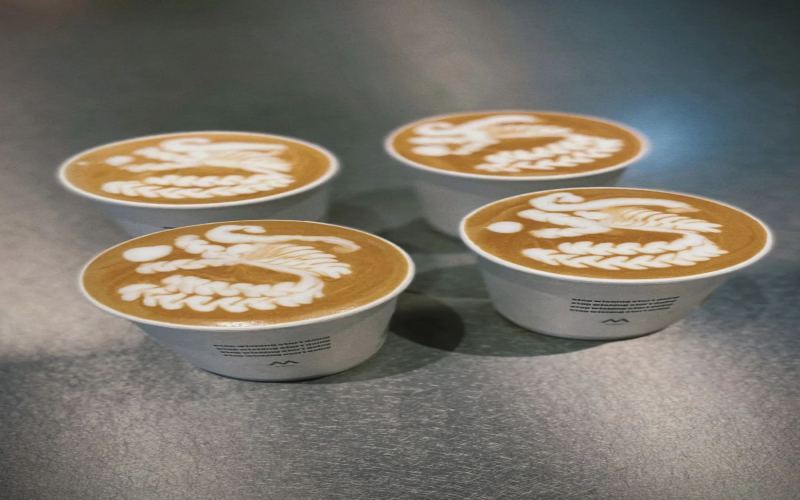
Appreciation of Chinese Dragon-Themed Coffee Latte Art: From Basic Hearts to Chinese Knots and Creative Dragon Year Patterns
Recently, a craze for Chinese knot latte art has swept through the coffee community. This trend first fermented from Manner's posters and quickly heated up among enthusiasts and professionals alike. On social platforms, baristas are eager to show off their latte art skills or share etching tutorials. Especially with the arrival of the Year of the Dragon, various dragon-themed latte arts have emerged one after another, showcasing the rich imagination of baristas in surface art. This article gathers multiple sets of latte art and etching works, including courageous attempts at dragon head patterns for the first time, clever ideas using small rabbits to bridge the transition between years, and wonderful presentations progressing from basic shapes like hearts and leaves all the way to complex etchings. Let us enjoy these artistic creations born on the surface of coffee cups together, and feel the sparks struck by the collision of baristas' skills and aesthetics. [more…]
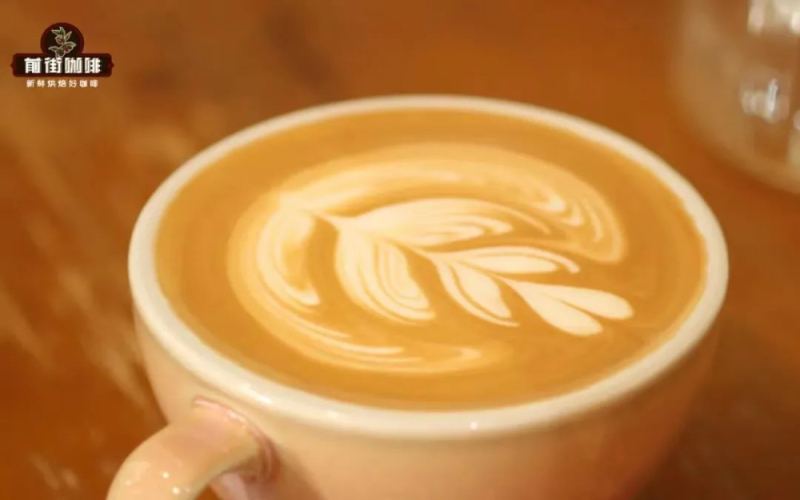
From Basics to Advanced: Practical Latte Art Techniques and Key Points for Tulip, Leaf, and Multi-Layer Heart Patterns
Latte art may seem difficult, but by mastering key details you can significantly improve your success rate. This article systematically explains the basic steps of latte art and the approach to achieving common patterns, from milk foam thickness and pouring techniques to pattern selection. Front Street Coffee will share how to judge the standards of a quality latte art pour, and how to gradually master patterns such as tulips, rosettas, and multi-layer hearts through repeated practice of the basic heart, flexibly adjusting the pour point and finish. Whether you are a beginner or a barista hoping to break through a plateau, these practical tips can help you reduce failures and achieve consistent results. [more…]
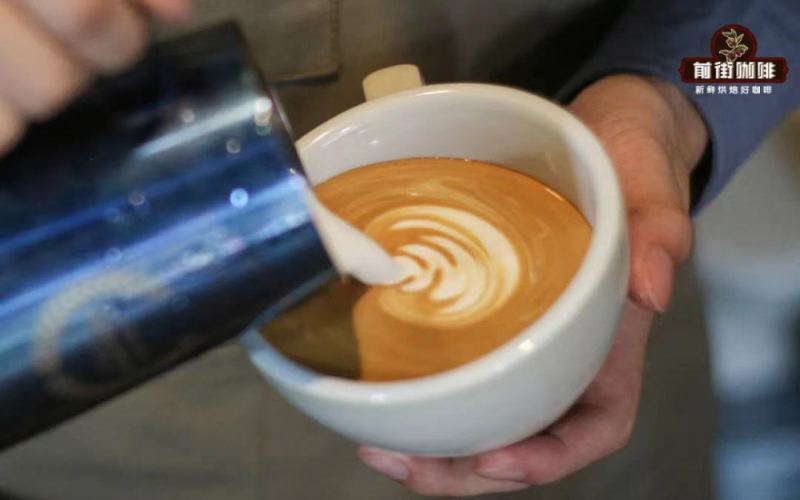
The Historical Origins of Latte Art and Recommended Espresso Beans for Latte Art
Many people fall in love with coffee starting from a latte with a beautifully patterned latte art design. So, who was the first to create patterns on the surface of coffee? How did latte art evolve from simple hearts and leaves to today's rich and diverse visual presentations? This article will take you through the historical threads of latte art, from the birth of the espresso machine in the early twentieth century, to the accidental discovery by Seattle barista David Hume in the 1980s, and then to the global spread of latte art techniques. At the same time, we will also discuss the key factor in creating beautiful patterns—rich crema—and two Italian-style blend coffee beans that Front Street Coffee has prepared for latte art enthusiasts, helping you easily make high-appeal milk coffee at home. [more…]
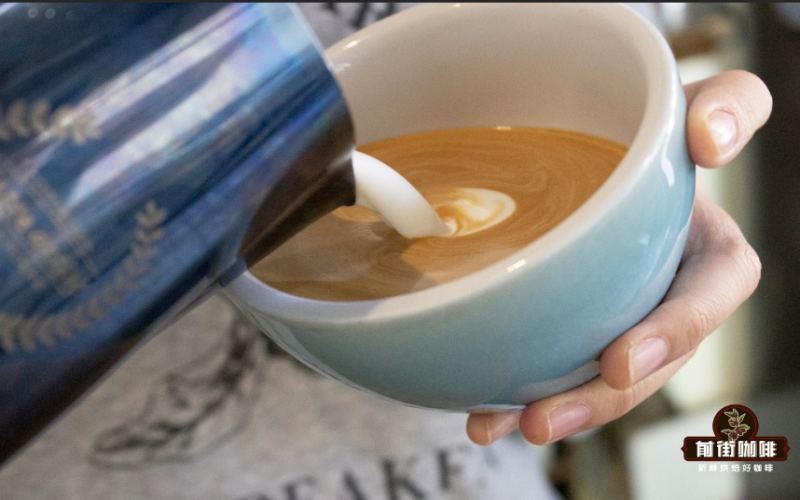
Latte Art Composition Techniques: Three Major Causes and Solutions for Off-Center Patterns
In coffee latte art, the beauty of a pattern depends not only on smooth lines but also on whether the composition is reasonable. Centered composition is the most common approach, as it highlights the sense of stability of symmetrical patterns. However, many beginners find that their latte art patterns always deviate from the center. Front Street Coffee points out that this is mainly caused by three reasons: milk foam that is too thin leading to excessive fluidity, pouring back into the cup too quickly increasing the impact force, and an incorrect drop point. This article will analyze the causes of and solutions to these problems one by one, while also emphasizing the importance of choosing suitable coffee beans, and recommending two products, Front Street Classic Blend and Commercial Blend, to help you create centered and beautiful latte art at home. [more…]
Coffee Latte Art Tutorial: Pouring Point and Swirling Techniques for Tulip and Leaf Patterns, and a Learning Path
Latte art is a visual art created by the collision of milk and espresso, mainly divided into two forms: free pouring and etching, where free pouring tests technique and etching tests creativity. This article systematically outlines the five steps to learning milk latte art, from choosing equipment and extracting espresso to steaming milk foam, and then to flow control and pattern practice, gradually guiding you through the basics. It focuses on explaining the injection point selection, flow control, and swinging rhythm for two basic patterns—the tulip and the leaf—and recommends using Front Street Coffee's specialty blend to make espresso, allowing the nutty caramel flavor to better blend with the milk's sweetness. Whether you are a coffee enthusiast just starting out or a barista looking to refine your skills, you can find practical practice methods here. [more…]

Latte Art Practice Duration and Latte Milk Frothing Techniques: A Detailed Guide to Milk and Coffee Integration Key Points
To create beautiful latte art, hand speed and talent alone are far from enough—behind it lies a whole series of details involving milk foam condition, crema quality, extraction parameters, and even milk temperature. This article breaks down crema, coffee beans, extraction methods, milk handling, and pitcher-splitting techniques one by one, helping you understand the underlying logic of latte art and avoid unnecessary detours. Whether you are a complete beginner or an enthusiast looking to refine combination patterns, you will find directions worth practicing repeatedly. The article also combines the characteristics of several Front Street Coffee espresso blends to offer bean selection advice for latte art practice and serving. [more…]
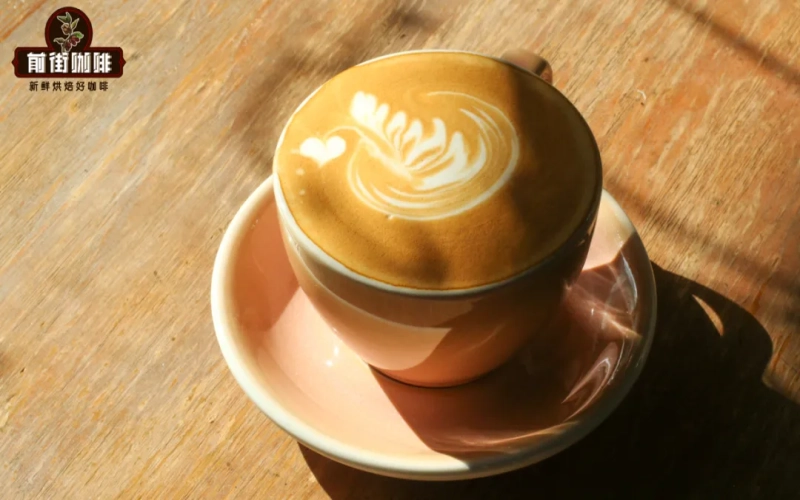
Latte Art Etching Tutorial: Milk Foam Thickness and Integration Techniques Explained, Espresso Bean Selection Guide
Latte art is the initial inspiration for many coffee enthusiasts, and textured patterns are the advanced technique that baristas dream of mastering. It involves continuously swinging the milk pitcher to pour steamed milk, pressing white lines into elegant arcs and making the pattern more artistic. However, many people practicing textured patterns always fail to create clearly defined lines with distinct layers. This article, based on Front Street's practical experience, will provide a detailed analysis of the three key areas to master when creating textured latte art: controlling milk foam thickness, managing the degree of integration, and the distance between the pitcher spout and the liquid surface. At the same time, it will also share recommendations for choosing espresso beans suitable for latte art, helping you practice beautiful textured patterns at home as well. [more…]
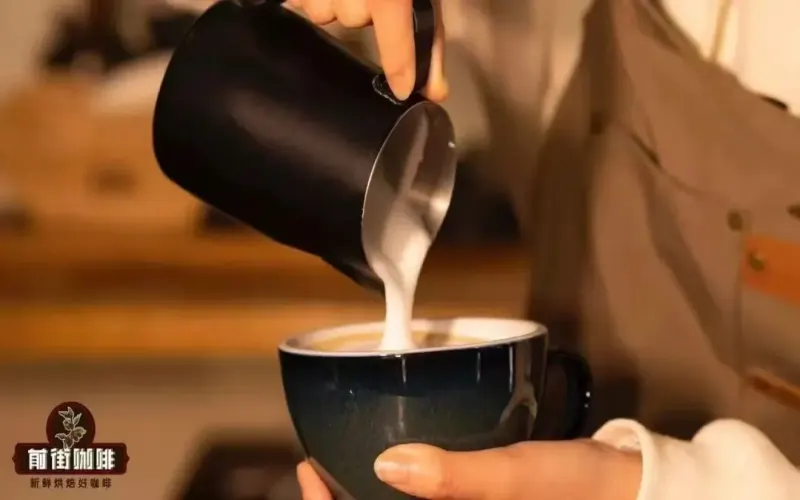
The Complete Guide to Steaming Milk for Latte Art: The Three Stages of Aeration, Texturing, and Pouring, and Thickness Control for the Multi-Layer Heart and Swan Patterns
To pour a thousand-layer heart, a leaf, or a swan, the condition of the milk foam is often the key to success or failure. Frothing milk may seem complicated, but it can actually be broken down into three stages: aeration, texturing, and integration. Aeration determines thickness, texturing eliminates large bubbles, and integration improves flow. This article starts from the principles of steaming and frothing, explains the foam thickness and thinness required by different latte art patterns, and details vortex formation, steam wand depth control, and how to fix the foam when it separates after steaming. It also covers the effect of espresso crema on latte art and recommends Front Street Coffee's classic espresso blend to help you systematically master the practical techniques for producing fine, glossy milk foam. [more…]
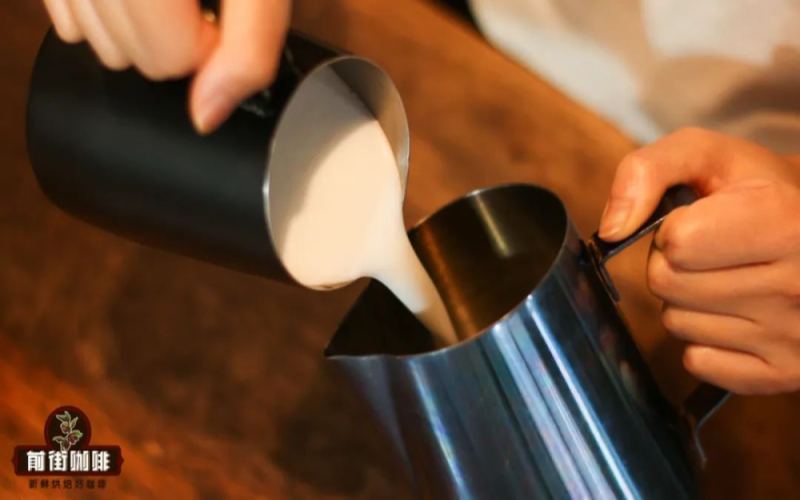
Why Is It Necessary to Transfer Milk for Latte Art? A Detailed Explanation of Milk Froth Fineness and Key Latte Art Techniques
In the process of coffee latte art, transferring milk between pitchers is an operation that is often mentioned but easily confuses people. Why is it necessary to pour the steamed milk foam from one latte art pitcher into another? What benefits does this actually bring? Starting from Front Street Coffee's sharing, this article provides a detailed analysis of how transferring milk improves milk foam quality, including effects such as re-integration, eliminating large bubbles, and breaking up clumps. It also explores how transferring milk reduces the difficulty of latte art, as well as details to note when creating latte art, such as pitcher selection, the amount of integration, and the tilt angle, helping coffee enthusiasts more systematically understand the principles and techniques behind latte art. [more…]
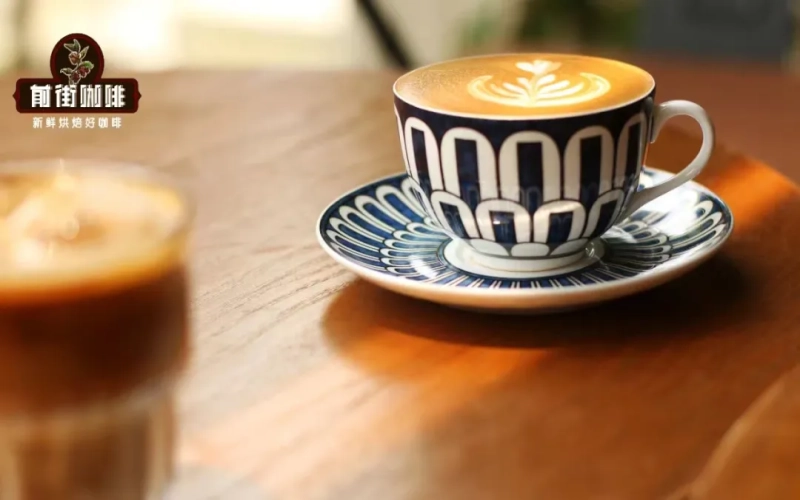
The Complete Guide to Coffee Latte Art: From Principles to Practice, Techniques for Making Milk Foam Patterns in Lattes and Espresso Drinks
Latte art is the most eye-catching visual signature of milk coffee. Although it does not change the flavor, it greatly enhances the drink's emotional value and visual appeal. Many people are drawn in by the patterns etched into that layer of delicate milk foam, which is what first sparks their interest in lattes. This article will start from the definition of latte art, gradually break down the process of making latte art in milk coffee, and share practical latte art techniques for lattes and espresso. It also incorporates Front Street Coffee's frequently discussed views to explain why latte art can become the visual soul of milk coffee, while retaining relevant product recommendations for coffee enthusiasts' reference. [more…]
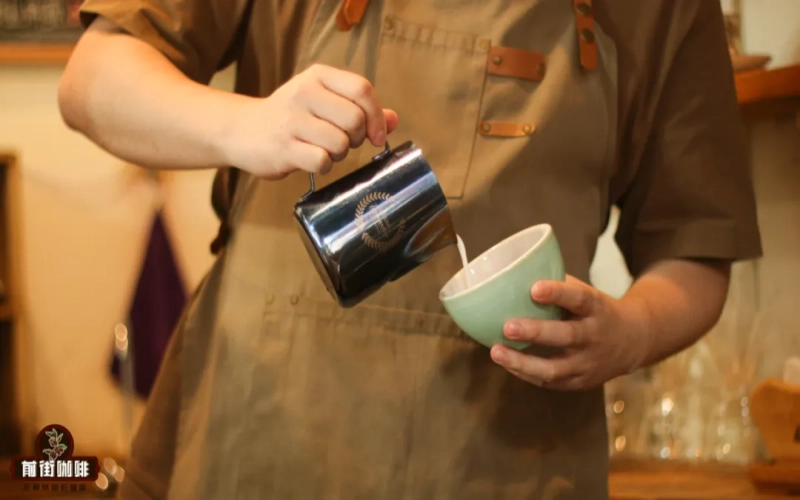
Does latte art affect the flavor of a latte? What key points should be considered when creating patterns in the preparation of hot Italian milk coffee?
Many coffee enthusiasts wonder whether latte art actually changes the taste of a latte. Starting from the factors that determine the flavor of milk coffee, and drawing on Front Street Coffee's own tests, this article explains that latte art has almost no effect on mouthfeel. On this basis, we go on to explore why hot milk coffee still needs latte art—the visual appeal and emotional value it brings often take effect before the guest even takes a sip, and directly influence purchasing choices and evaluations of the drink. For commercial offerings, latte art is an important way to convey thoughtfulness; when drinking at home, however, it is enough to ensure the quality of the beans and the extraction—whether or not to pour latte art is entirely a matter of personal preference. [more…]
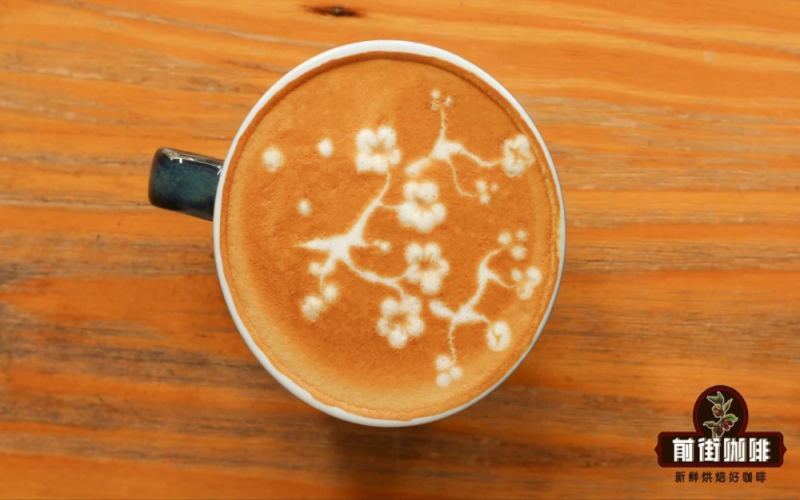
A Complete Beginner's Guide to Coffee Latte Art: From Milk Pouring and Design Principles to the Details of the Finished Cup and Recommendations on Cup Selection
Many people are drawn into the world of coffee because of latte art, hoping that one day they too can casually pour beautiful patterns. Does latte art really take a long time to learn? If you only aim to make good-looking shapes, you can see initial results in as little as one day, or at most two or three days; if you want to challenge combined patterns, you need to understand the principles and practice accordingly. From the perspective of Front Street, this article sorts out the logic of pouring latte art, the key actions of integration and drawing, the details of finishing the pour and the final touches, as well as the practice rhythm and cup selection—small things that are easily overlooked. It also explains why the crema state of espresso directly affects the pouring results, and provides Front Street Classic Blend and Front Street Commercial Blend as references suitable for practice. [more…]
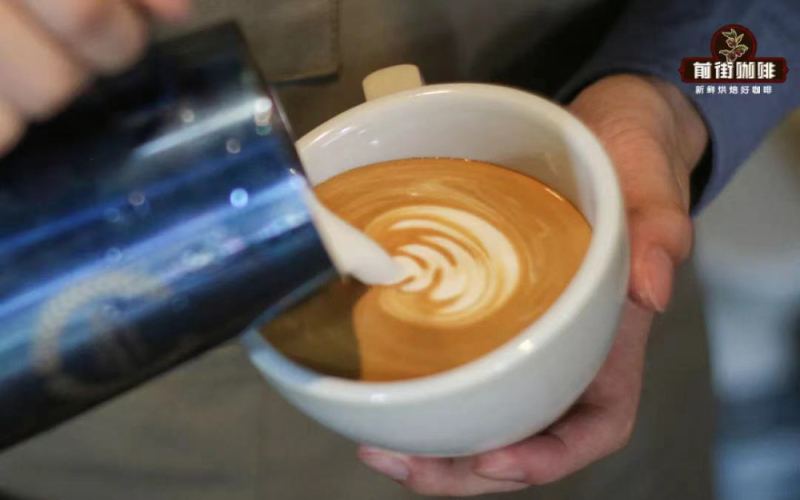
The Complete Guide to Latte Art: From Coffee Bean Selection to Milk Frothing and Extraction Techniques
To create a cup of espresso latte art with clear patterns and distinct contrast at home, practicing technique alone is far from enough. From the roast level and freshness of the coffee beans, to the yield and flow rate of the espresso extraction, to the temperature, fat content, and foam thickness of the milk, every step directly affects the final pattern. This article systematically breaks down the four major elements that influence latte art—coffee, milk, pitcher, and pattern—and recommends three beans for practice and serving—Front Street Classic Blend, Commercial Blend, and Dark Cocoa Base Blend—to suit different needs, helping coffee enthusiasts gradually improve their latte art skills on the basis of understanding the principles. [more…]
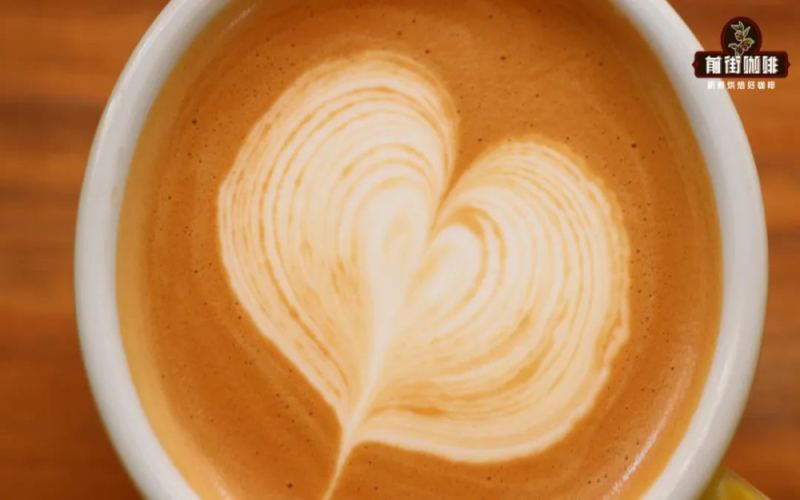
Why Does Latte Art Develop Jagged Edges? A Complete Guide from Coffee Bean Freshness to Milk Foam Temperature
Almost every barista who has poured latte art has encountered the situation where dense serrated patterns appear along the edges of the design—seemingly harmless from a distance, but quite unsightly up close. The causes of this problem are not singular; the most common one is that the espresso beans are too fresh, with a high carbon dioxide content. During extraction, a large amount of gas is pressed into the crema, making it rough, thick, and poor in fluidity, making it difficult to blend evenly with milk, which in turn produces a serrated feeling that cannot be pushed open when pouring the pattern. In addition, factors such as milk foam being frothed too thin and milk temperature being too high can also lead to similar phenomena. This article will analyze these causes one by one and provide practical solutions including resting time for beans, milk foam thickness control, and frothing temperature. At the same time, drawing on Front Street Coffee's experience with espresso beans, it helps readers systematically understand and effectively address the problem of serrated latte art patterns. [more…]
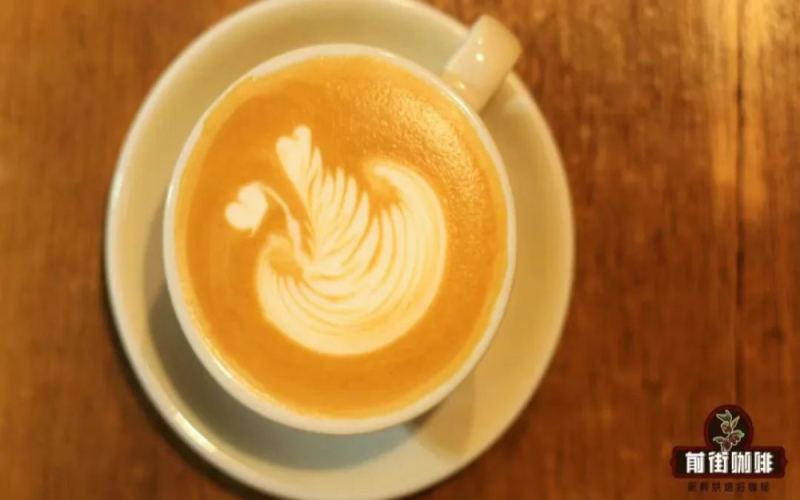
Can Americano also be made with latte art patterns? A detailed explanation of the principles and steps of milk-free latte art
Americano has always presented itself as a black coffee, with a recipe consisting only of espresso and water—seemingly having no connection to latte art. But in fact, as long as you grasp the core principles and make minor adjustments, Americano can also display clear latte art patterns. This article will start from the basic principles of latte art, explain why a milk-free Americano can also be frothed, and break down the operational process in detail—including the ratio of water to ice cubes, the espresso extraction method, the key points of steaming and frothing, and the details to note when pouring the design. Front Street Coffee will also demonstrate through actual operation, guiding you step by step to complete a cup of Americano latte art with dense foam, so that enthusiasts who do not like milk coffee can also enjoy the fun of latte art. [more…]

Front Street Coffee shares a complete latte art tutorial: the principles behind the design, pouring and drawing techniques, and practice suggestions
Many coffee enthusiasts step into the world of coffee precisely because of latte art, hoping that one day they will be able to casually sketch out delicate and refined patterns. So how long does it actually take to master latte art? In fact, if you just want to make a good-looking figure, it can be achieved in as quickly as one day, or as slowly as two or three days; if you want to challenge difficult combination patterns, you need to understand the principles and practice accordingly. This article is compiled and shared by Front Street Coffee on the drawing principles of latte art, the key techniques of integration and drawing, finishing considerations, and practice suggestions. It also reminds you of the impact of cup diameter and bottom curvature on drawing, helping you get started with latte art more smoothly. [more…]